First Grade Squad School Digital File Review for Real Projects
As an embroidery designer who regularly works with digital files for custom apparel and handmade products, I always take a moment to evaluate new designs before using them in real projects. The First Grade Squad School Digital File caught my attention as a potential asset for creating personalized gifts and school-themed merchandise. Here's how it performed in practical testing and what I observed from the perspective of both design quality and production viability.
First Impressions: A Playful Yet Versatile Design
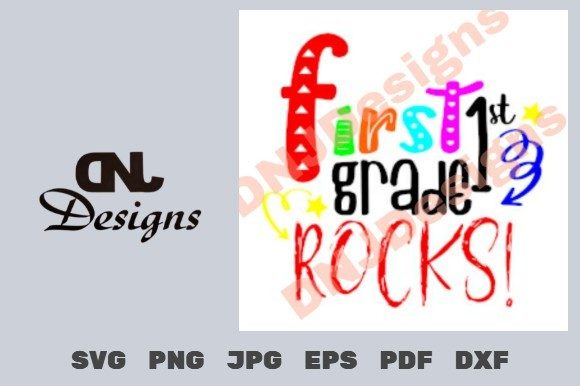
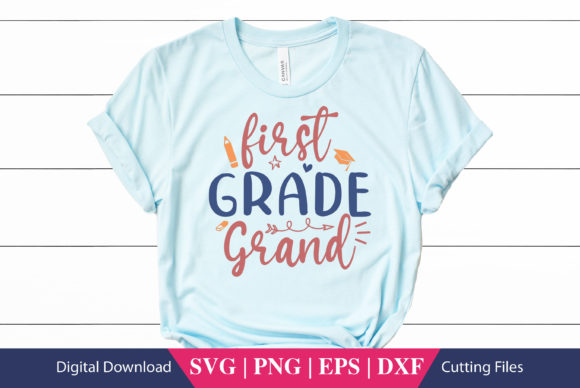
The First Grade Squad School Digital File immediately gives off a cheerful, youthful vibe. It’s not just another cutesy school design—it has a clean layout that suggests purpose without being over-the-top. The visual personality is friendly and approachable, which makes it ideal for projects like baby clothes or holiday gifts where warmth and charm are key. The shape is well-balanced, with clear focal points and a structured composition that hints at good stitch behavior.
What stands out is the level of detail—just enough to make the design feel special without overwhelming the fabric. It uses a combination of satin stitch and fill stitch, which helps define its characters and elements. The color palette is bright but not garish, allowing it to adapt to various thread choices and fabric types. As someone who values consistency in branding, this design feels like it could easily be part of a cohesive line of craft business items, especially for boutique owners or Etsy sellers focused on children's apparel and accessories.
Real-Life Embroidery Use Cases
I tested the First Grade Squad School Digital File on a few common project types to see how it holds up under different conditions. On a soft cotton sweatshirt, the design stitched cleanly and maintained its visual appeal even after washing. For a tote bag made of woven canvas, the lines were crisp and the overall look was professional enough for small shop product use.
When applied to a baby romper, the design felt right at home. The playful nature complemented the innocence of the garment, and the colors didn’t clash with pastel fabrics. I also tried it as an embroidered patch on denim—an unexpected but effective application. The file’s structure allowed me to adjust the size slightly while keeping the integrity of the shapes and lettering intact.
This design seems particularly suited for:
- Sweatshirt embroidery — Especially when you want to add a touch of character without overpowering the piece.
- Tote bag design — The bold elements stand out well on larger surfaces.
- Baby embroidery — Its gentle curves and non-threatening style work well on delicate items.
- Commercial embroidery — If used on standard hoop sizes and stable fabrics, it can become a reliable asset for branded merchandise or seasonal stock.
Where This Design Shines
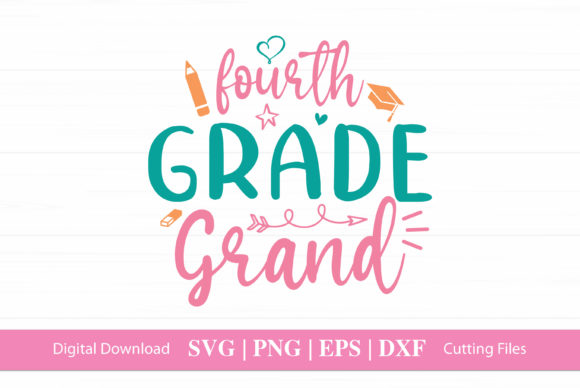
One of the best things about this file is its flexibility. The SVG, PNG, EPS, and DXF formats included in the ZIP folder offer a range of options depending on your software and machine setup. Whether you're working with machine embroidery design tools or need to create a printable mockup for your Etsy listing, these files give you the freedom to do so without compromising quality.
On light-colored fabrics, the design really pops. The contrast between the stitching and the background enhances its visibility and makes it more appealing as a personalized gift. When previewing the design on darker backgrounds, I noticed that some elements lose their impact unless the thread colors are adjusted carefully. This is a good reminder to always test thread color contrast before finalizing any project.
Cautions for Specific Applications
While the First Grade Squad School Digital File is adaptable, there are scenarios where it might not perform as expected. For example, when hooping smaller areas like a cap or hat, the details start to get lost. The same goes for stretchy or thin fabrics—if you don't use proper stabilizer, the design may pucker or distort during stitching.
Here are a few places where you should use this design with care:
- Small hoop sizes — The intricate parts won’t render clearly if space is limited.
- Textured or stretchy fabrics — These can cause misalignment or uneven stitch tension.
- Dark fabric backgrounds — Consider using white stabilizer or lighter thread colors to maintain visibility.
- Products needing frequent washing — Always test durability on similar materials before mass-producing.
If you’re planning to use this design on curved surfaces or layered garments, be prepared to do some tweaking. I found that adjusting the stitch density helped prevent distortion on a curved baseball cap. But for most flat surfaces, especially those used in handmade products, the file performs admirably.
Design Impact on Product Value and Customer Perception
In terms of visual appeal, this design brings a sense of fun and familiarity that many customers respond to. It’s perfect for parents looking for holiday gifts or teachers wanting to personalize classroom decorations. The embroidered patch version, in particular, adds a nice tactile element to items like backpacks or jackets.
What I appreciate most is how it elevates the finished product without feeling too commercial. There’s a balance between whimsy and professionalism that appeals to both hobbyists and creative entrepreneurs. When paired with high-quality materials and thoughtful presentation, it can significantly boost customer trust and perceived value.
For Etsy sellers or small shop owners, this design can help establish brand recognition. Repeating the theme across different product types—like pillow covers, kitchen towels, or nursery decor—can create a signature look that shoppers come to expect and appreciate. The design doesn’t scream “mass-produced,” which is a big plus for anyone aiming to maintain a handmade aesthetic.
Designer Notes for Optimal Use
Before jumping into a client project or batch order, I recommend taking the time to test this design on scrap fabric first. Try different hoop sizes and thread colors to see how it behaves. Also, inspect the corners and edges to ensure they hold up well with tight stitches—this is crucial for maintaining stitch clarity.
Here are a few tips I picked up while working with the First Grade Squad School Digital File:
- Test it in black and white mockups to check how it looks without color.
- Compare it on both light and dark fabric backgrounds to understand visibility differences.
- Use appropriate stabilizer, especially on stretchy or delicate materials.
- Review the stitch density settings in your software—adjusting them can improve performance on certain fabrics.
- Check whether the design aligns with your licensing terms if you plan to sell commercial embroidery items or digital embroidery files.
Final Thoughts for Embroidery Professionals
Overall, the First Grade Squad School Digital File is a solid choice for a variety of embroidery projects. It’s not overly complex, which means it can be stitched quickly and reliably. But it still carries enough character to stand out in a sea of generic graphics. That said, like any design, it needs to be treated with respect—especially when it comes to fabric type and hoop selection.
Whether you're crafting a custom apparel decorator job for a local boutique or preparing design assets for your next Etsy drop, this file offers a great starting point. Just remember to tailor it to your specific needs and test it thoroughly before going into production.
From a crafts and graphics standpoint, it’s clear that the creator put thought into making this design usable across multiple platforms and applications. As long as you stay within reasonable parameters and keep an eye on the details, it can be a valuable addition to your embroidery project toolkit.