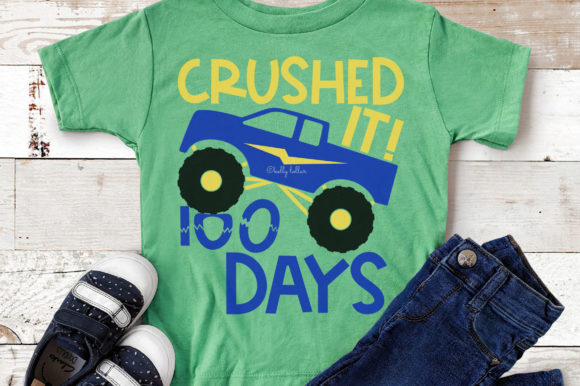
100 Days Monster Truck: A Bold Graphic Design Asset for Creative Publishers
As a seasoned blog designer and digital publisher, I’m always on the lookout for high-quality graphic design assets that can elevate content without overcomplicating it. Recently, I reviewed the 100 Days Monster Truck cut file—a fun and eye-catching design meant to celebrate the 100th day of school. While it’s clearly tailored for educational apparel, its visual appeal and editorial flexibility make it an intriguing candidate for broader use in website banners, Pinterest pins, and even digital guides.
First Impressions: Playful and Eye-Catching Visual Energy
The first thing I noticed about 100 Days Monster Truck is its bold, dynamic energy. The truck itself is illustrated with exaggerated wheels, chunky tires, and a stylized, almost cartoonish feel that immediately evokes a sense of fun and excitement. This makes it ideal for editorial layouts that target younger audiences or playful niches such as children's education, parenting blogs, and seasonal content around back-to-school themes.
Visually, the design leans into a lifestyle-focused, educational, and seasonal mood. It doesn’t scream professionalism but rather communicates joy, creativity, and a sense of celebration—perfect for websites that want to maintain a warm and engaging tone while still looking polished.
Real Publishing Use Cases: From Blog Headers to Lead Magnets
Here are several real-world scenarios where this graphic could shine:
- Blog Featured Images: For posts celebrating milestones in education or highlighting classroom activities, the monster truck adds a memorable visual hook that stands out in feeds.
- Pinterest Graphics: With its vibrant colors and central focal point, the asset works well for creating vertical graphics that scroll smoothly and catch attention quickly.
- Newsletter Banners: When used as a header for a themed newsletter (e.g., “100 Days of Learning”), the design helps set the tone and increases reader engagement right from the start.
- Downloadable Resources: As part of a lead magnet or digital worksheet bundle related to counting, math, or classroom challenges, the monster truck can be layered behind text to add interest without distracting.
- Canva Templates: This asset would fit beautifully into custom templates for educators or bloggers who need quick, attractive visuals for social media or website headers.
- Media Kits: If you’re building a media kit for an educational brand, this design can serve as a thematic accent across multiple platforms to reinforce your brand identity.
Supporting Content Performance Through Strong Visuals
When evaluating how a design asset like 100 Days Monster Truck contributes to content performance, there are several key areas to consider:
- Stronger First Impression: The truck’s oversized, action-packed style immediately draws the eye. In a sea of generic stock images, this kind of unique visual helps your content stand out.
- Clearer Visual Hierarchy: Its placement as a central icon or background element allows you to layer headlines and call-to-action buttons effectively, ensuring important text remains legible and prominent.
- Better Click-Through Potential: Whether used in a Pinterest pin or a blog post thumbnail, the design encourages curiosity and interaction due to its lively nature.
- Consistent Branding: Repeating this design across different formats—like eBook covers or downloadable printables—creates a cohesive look that readers begin to associate with your content.
- Improved Reader Trust: High-quality, original design assets signal professionalism and care, which builds trust with your audience—especially important in content marketing and affiliate marketing contexts.
- Enhanced Category Recognition: If you frequently publish about education, growth, or learning milestones, using this motif consistently can help readers identify your content at a glance.
- Professional-Looking Pages: Even though it has a playful edge, when paired with clean typography and smart layout choices, the design supports a modern aesthetic that aligns with professional publishing standards.
Where This Asset Shines: Hero Spots and Themed Content
The 100 Days Monster Truck excels in larger-scale applications where its detail and color can be fully appreciated. Here are some of the best places to use it:
- Hero Images: Place it as a central element in a banner for a 100-day challenge or educational milestone page.
- Article Thumbnails: Use it subtly as a background pattern or overlay in thumbnails to hint at the playful yet structured theme of the article.
- Pinterest Pins: The vertical format and vivid imagery lend themselves perfectly to Pinterest’s scrolling feed.
- Editorial Accents: Incorporate it as a sidebar graphic or section divider in blog posts to break up dense text and add visual interest.
- Content Upgrades: Feature it in printable checklists, calendars, or trackers designed for teachers or parents to enhance perceived value.
- Category Visuals: Use it to represent an education-themed category on your blog or e-commerce site, making navigation more intuitive and visually appealing.
- Social Media Previews: Especially on Instagram Stories or Facebook posts, the monster truck can become a recurring symbol that reinforces your content’s personality.
Where to Use It Carefully: Context Matters
While the 100 Days Monster Truck is versatile, it’s not a one-size-fits-all solution. There are certain situations where its use should be approached thoughtfully:
- Small Mobile Thumbnails: At reduced sizes, the intricate details may become lost or confusing. Simplify by using only the silhouette or a cropped version.
- Text-Heavy Blog Images: Avoid placing too much copy over the full design. Instead, focus the headline in a clear area with enough negative space to ensure readability.
- Low-Contrast Backgrounds: The bright colors of the truck work best against neutral or solid-colored backgrounds. Using it on gradients or busy textures could muddy the message.
- BUSY LAYOUTS: Don’t overload your design with too many elements. Let the monster truck take center stage to avoid visual clutter.
- Serious Professional Niches: For corporate blogs or formal web design projects, this asset might clash with the intended tone unless softened through styling or context.
- Minimalist Websites: If your brand uses a very stripped-down visual system, this design may require careful integration to maintain balance and consistency.
Practical Tips for Integrating 100 Days Monster Truck Into Your Workflow
Before committing this asset to your creative marketplace or small business branding, here are some steps I recommend taking:
- Test on Desktop and Mobile Screens: Make sure the graphic scales well and maintains clarity across all devices.
- Check Thumbnail Performance: How does the monster truck appear when shrunk down? Will it still communicate the same idea?
- Preview in a Real Blog Layout: See how it interacts with other design elements, fonts, and colors within your existing framework.
- Test Headline Text Overlays: Try pairing it with various font styles—serif, sans serif, script, handwritten, and display—to see what combinations feel most natural.
- Review Contrast and Readability: Ensure that any text placed over the design is legible and doesn’t get swallowed by the background.
- Try in Black and White: Sometimes converting a colorful asset to grayscale can reveal strengths or weaknesses in composition and contrast.
- Consider File Size: Large vector files or high-resolution PNGs can impact web performance. Optimize them for fast loading times without sacrificing quality.
- Confirm Commercial Licensing: Since this will likely be used on monetized sites or digital products, verify that the commercial license permits use in affiliate marketing materials, paid newsletters, and online storefronts.
Designing Around the Monster Truck: A Publisher’s Perspective
One of the strengths of the 100 Days Monster Truck is its ability to anchor a visual theme without being overwhelming. As a blogger or content creator, I’d suggest using it in ways that complement your message rather than distract from it. For instance, if you’re launching a 100-day productivity challenge, the truck could metaphorically “crush” obstacles or mark progress points along the way.
This asset also works well in printable designs. Think of it as a feature in a digital guide or as part of a lead magnet like a checklist or tracker. The whimsical yet structured nature of the illustration supports educational content, making it especially useful for online educators and creative entrepreneurs in the edutainment space.
Why This Works for Digital Publishers
For those of us managing content-heavy websites or running affiliate blogs, the 100 Days Monster Truck offers a refreshing alternative to standard stock photos. It brings character and storytelling potential to your pages. Whether you're designing a blog graphic for a teacher resource post or a social media graphic to promote a digital download, this asset gives your content a distinctive visual signature.
It also plays nicely with a variety of crafts and graphics—think DIY shirts for kids, themed classroom decorations, or even promotional posters for educational events. The versatility is impressive, especially when considering the ease of use in tools like Canva or Adobe Illustrator.
Final Thoughts: A Versatile Addition to Any Creative Toolkit
The 100 Days Monster Truck isn’t just another cute clipart—it’s a strategic graphic design asset that can breathe life into your editorial visuals and support consistent brand identity across platforms. While it’s marketed toward school-related crafts, its potential extends far beyond that, offering opportunities to engage diverse audiences with a touch of humor and charm.
As long as you approach it with intention and test it thoroughly in your publishing workflow, this design can become a powerful tool for enhancing visual communication, increasing click-through rates, and reinforcing your content marketing efforts. Just remember to keep it relevant to your audience and always double-check licensing terms before using it in commercial environments.